A Simple Probability Habit for Rummy Draw Decisions
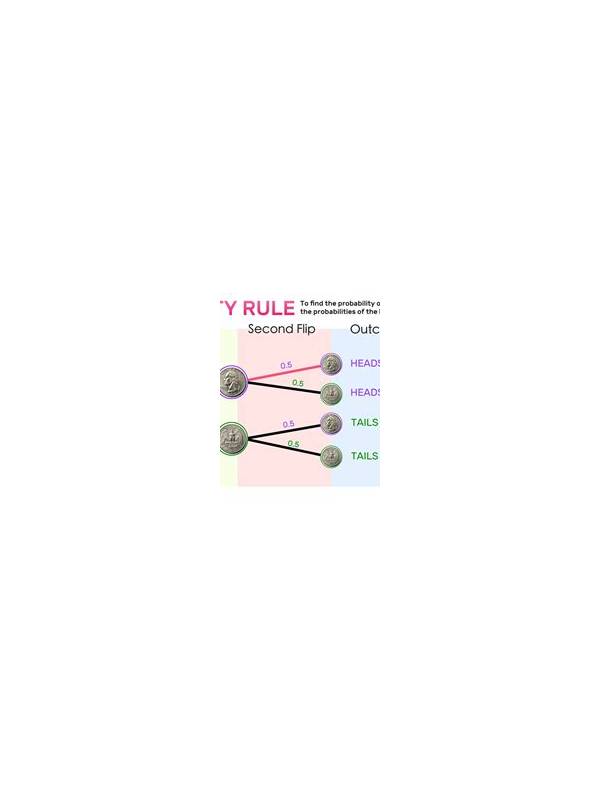
Probability can improve a rummy decision without requiring a calculator. The useful habit is to count live cards rather than focusing on how close a group looks. A live card is one that would materially improve your hand under the current rules and is still plausibly available.
Begin with the visible information. Remove cards already in your hand and cards you know have been discarded from the set of possible helpers. If a needed card appears in several places, remember that another player may hold it, so the exact chance is uncertain. Your count is a guide, not a guarantee.
Compare the number of live cards for each candidate plan. A group that needs one specific rank may be less flexible than a connector that can accept several ranks. Also consider the cost of waiting. Keeping a high-value loose card for many turns may be worse than choosing a modest improvement now, especially when the table is nearing a declaration.
Do not count the same card twice. If one card could complete two groups, it is a shared out, not two separate cards. Mark the overlap mentally and ask which completed arrangement is more valuable. A pure-sequence requirement may matter more than a lower-value optional set.
Use the habit to avoid false certainty. A large number of possible cards does not make a plan safe if it breaks an essential group. Combine the count with legal requirements, current score, and the amount of time you can spend. “More live cards” is evidence in favor of a plan, not an instruction to ignore everything else.
Counts are most useful when they compare alternatives at the same moment. Do not compare the best-case chance of one plan with the worst-case chance of another. Write down the cards each plan needs, remove obvious overlaps, and consider whether a completed group would actually improve the whole hand. A draw that creates a set but leaves a required pure sequence unresolved may have less value than a less dramatic card that protects the structure.
Keep the estimate qualitative when information is incomplete: many live cards, a few live cards, or one narrow out. This is often enough to avoid chasing a visually attractive but unlikely combination. The goal is clearer judgment, not mathematical certainty. When the count is close, prefer the plan that is easier to verify and less costly if it fails. Simple, transparent reasoning is often more useful at a live table than a complicated estimate based on assumptions you cannot check.