
Rummy Comparison: Open and Closed Hand Structures
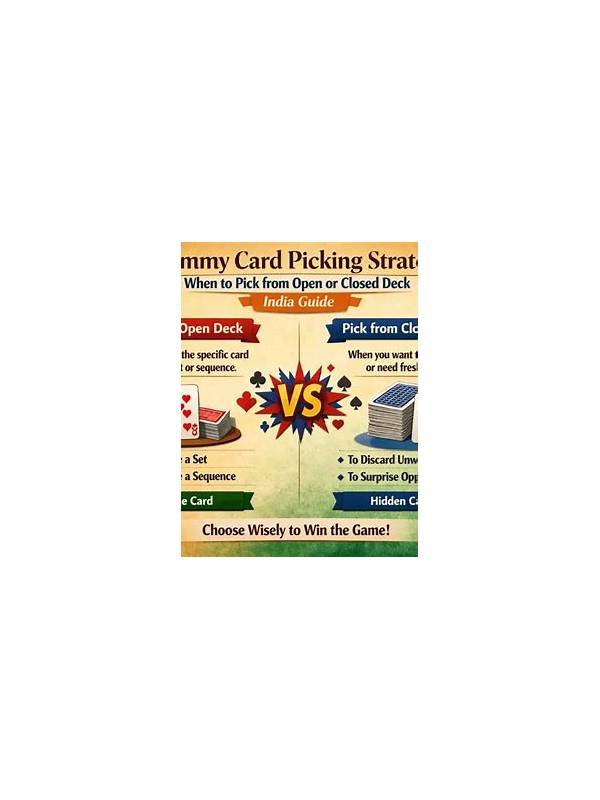
A rummy hand can be described as open or closed. An open structure has several possible ways to improve: a connector can join more than one sequence, or a pair can support multiple sets. A closed structure is nearly complete but often depends on one specific card. Neither is automatically superior; the right choice depends on timing and risk.
Open structures are valuable early because they absorb new information. If a drawn card does not complete the preferred route, it may still fit another route. This flexibility reduces the chance of being trapped with unrelated cards. The drawback is that open structures can remain unfinished for too long. A hand may look promising while producing no legal group.
Closed structures offer visible progress. A nearly complete sequence can be satisfying because one card may finish it. The danger is concentration: if the missing card does not arrive, other parts of the hand may receive too little attention. Closed structures also make your discard decisions more sensitive, since breaking one may feel worse than it really is.
To compare them, list the number of useful improvements each structure accepts. Then consider the cost of keeping it. A high-value card inside a narrow route may be a poor investment. A low-value connector that supports two routes may be worth more despite being farther from completion. Also consider how many complete groups the rest of the hand already contains. One closed group is safer when the remaining cards are flexible.
As the hand gets shorter, the balance changes. Early turns favor openness because there is time to explore. Later turns favor a realistic closed route because the hand needs a result, not unlimited possibilities. Set a review point so that an open structure eventually has to prove its value. If it has not gained support, replace it with a safer arrangement.
The best structure is often a combination: one stable group, one flexible route, and one area where you are willing to cut losses. Comparing open and closed shapes helps you build that balance. It also prevents the common mistake of judging a hand only by how close one group looks while ignoring the risk carried by everything else.
Review the structure after every completed group. A closed section may free a card that previously served as a bridge, while a new draw may make an open route more attractive. Treat the labels as descriptions of the current hand rather than permanent categories. This keeps your comparison responsive as the available information changes.


